Most Australians know the hum of a local club floor on a Friday arvo, but recognising pokies addiction signs early can be the difference between a casual session and a habit that quietly drains the budget. I have spent years modelling virtual RNG behaviour for Easygo Gaming, watching how probability curves and volatility profiles shape player retention, and the same maths that governs return to player also explains why loss chasing feels so compelling. When you understand the mechanics, the warning signals become easier to read, and you can step back before the pattern hardens.
What the Numbers Actually Tell You About Problem Play
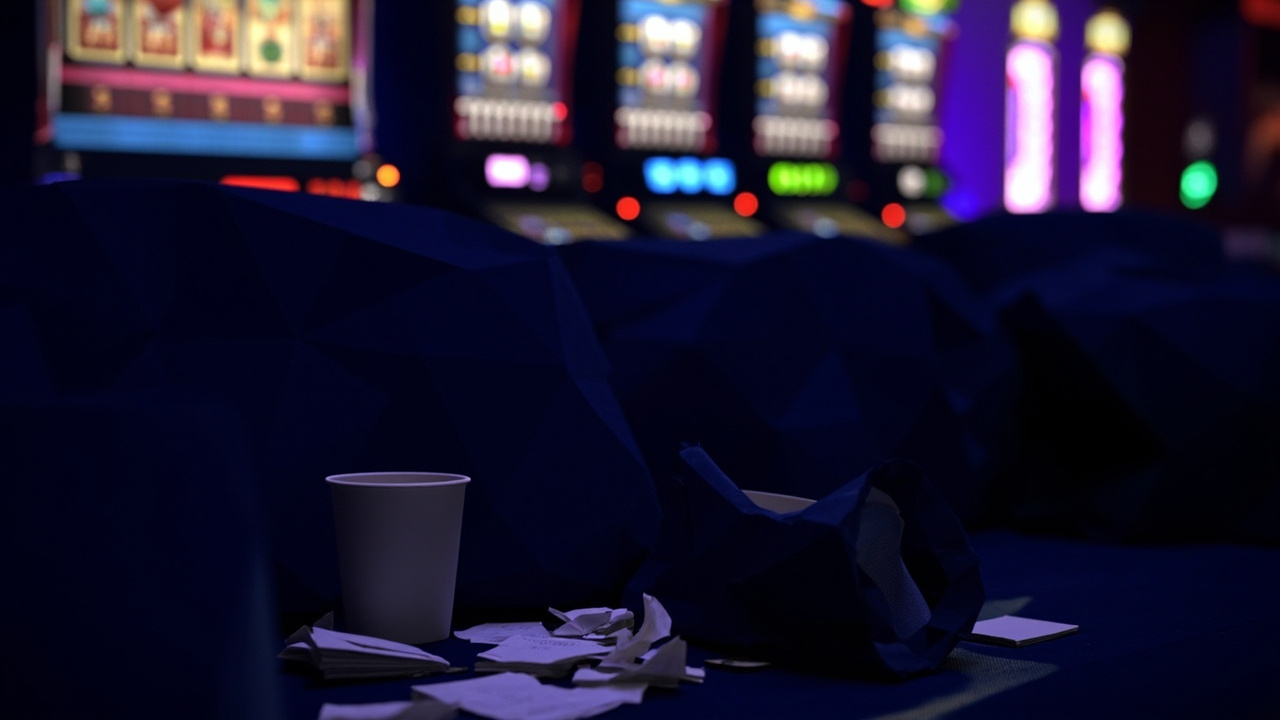
You do not need a degree in probability to notice when a session stops feeling like entertainment and starts feeling like a chase. In my work building RNG simulations, I see how high volatility pokies can stretch losing runs far longer than most players expect, and that extended dry spell is often where the first pokies addiction signs take root. The brain starts treating every near-miss as a signal that the next spin must be different, even though the underlying random number generator has no memory of what just happened. A fair RTP over millions of spins does not protect a single session from a brutal short-term swing, and that gap between expectation and reality is exactly where compulsive play gains a foothold. If you find yourself reloading the balance before the hour is up, or if you are telling yourself you will stop after one more line, those are practical pokies addiction signs worth taking seriously rather than brushing off as a bad run.
The maths matters here because it strips away the romance of a big payout and leaves the actual behaviour on the table. When I calibrate a virtual reel set, I watch how often a player increases their stake after a loss, and that pattern correlates strongly with the kind of loss-chasing that turns a quiet night into a stressful one. Australian players often reckon a long drought means a win is due, but the probability curve does not work that way, and the illusion of a comeback is one of the most persistent pokies addiction signs you can spot in yourself. A sensible session has a clear stop point, a stake that fits the budget, and a willingness to walk away when the volatility runs hot in the wrong direction. If the numbers start feeling personal, that is usually the moment to pause and reassess before the habit deepens.
Reading the Behavioural Shifts on the Floor and at Home
Behavioural changes tend to show up long before anyone admits there is a problem, and they often look like small compromises that quietly add up. You might notice that the budget you set for the weekend session keeps creeping upward, or that the money meant for groceries or bills is suddenly being redirected toward another spin. Those are classic pokies addiction signs, and they rarely arrive with a dramatic announcement. In my simulations, the most dangerous pattern is not a single huge loss but a steady erosion of discipline, where the player keeps adjusting the limit upward instead of walking away. When you are sitting in a Perth club or playing on your phone at home, the environment can make that drift feel normal, especially if the pace of the game keeps your attention locked on the next outcome rather than the total spent.
The social side matters too, because secrecy often grows alongside the habit. You might start leaving the room for longer stretches, or you might stop mentioning how long you have been playing because the answer feels harder to justify. I have seen players convince themselves they are just waiting for a bonus feature to trigger, but that waiting becomes a way to avoid facing the running total. If you are hiding the size of your deposits, or if you feel irritated when someone asks how the session went, those are pokies addiction signs that deserve a honest look. The goal is not to shame yourself for enjoying a game, but to catch the moment when enjoyment starts bending into obligation.
How Payment Flow and Limits Can Either Cool Things Down or Feed the Fire
The way money moves through a cashier can either keep a session grounded or make it dangerously easy to lose track. When I review payment flows for gaming operators, I look for clear deposit limits, visible balance updates, and a withdrawal process that is straightforward enough to remind players that real money is leaving the account. A cluttered cashier that hides the total staked or makes verification feel like an afterthought can quietly encourage overspending, and that is one of the more practical pokies addiction signs to watch in a platform’s design. If you have to dig for your own transaction history, or if the interface makes it hard to see how much you have alreadyhttps://aaavaluation.in/spin-to-win-real-money-prizes-a-practical-walkthrough-of-the-lobby/ committed this week, the friction is working against you.
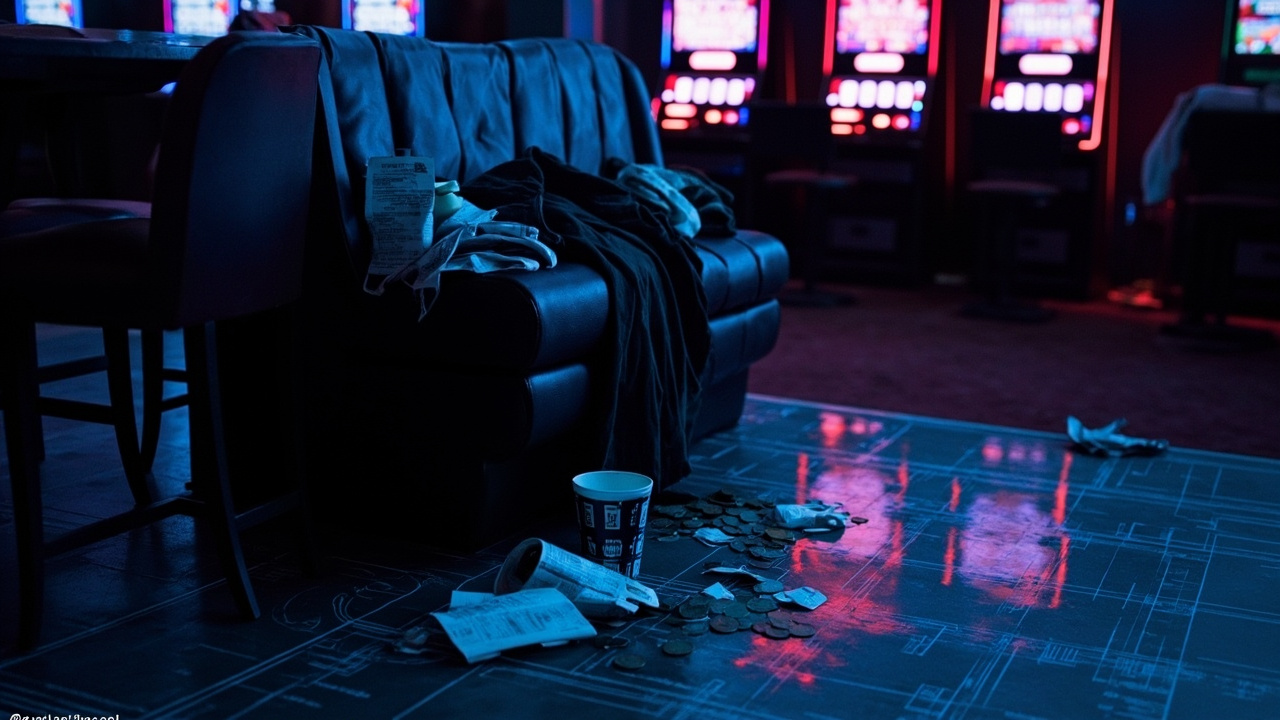
Processing speed and currency clarity also shape how people behave, because fast deposits can feel almost frictionless while slow withdrawals create a strange disconnect between winning and actually holding the money. A fair system treats AUD clearly, shows fees up front if any apply, and does not make you jump through endless hoops just to move your own funds back out. I have always argued that a well-built cashier should act like a brake, not a turbo, and that principle matters if you are trying to keep play within a sensible boundary. If you notice yourself depositing again before you have even checked what is left in your balance, that is a pokies addiction sign that the payment flow is feeding the habit rather than supporting control.
What Responsible Design Looks Like When the Volatility Runs Hot
A responsible pokies product does not promise a turnaround, and it should not pretend that a bonus or a free spin changes the underlying odds in your favour. In my RNG work, I build volatility profiles that are transparent about how often a game pays and how large those payouts tend to be, because players deserve a realistic picture of what a session can look like. When a platform leans hard on bonus mechanics that encourage bigger stakes or longer play, it can amplify the same pokies addiction signs we have been talking about, especially for anyone already prone to chasing. A better approach is a layout that makes limits easy to set, reminders easy to notice, and exits easy to take without making you feel like you are missing out on a secret payout.
Support and loyalty should reinforce control rather than reward escalation. If a loyalty scheme only celebrates bigger deposits and more frequent play, it can nudge people in the wrong direction, whereas a thoughtful program recognises steady, measured engagement and gives you tools to step back when needed. I have seen operators treat support like an afterthought, but the best ones make help visible, offer clear self-exclusion options, and keep the language plain instead of dressed up in marketing gloss. If you are wondering whether a particular environment is helping you stay in charge, look at whether it makes restraint easy or makes spending feel effortless. You can always check a neutral comparison like the Woo Casino Review to see how different operators handle their cashier and support structure, but the real test is whether the design helps you stop when you meant to.
That means operators should highlight responsible gaming resources as a core perk, not an afterthought. A well-designed program rewards consistency and self-awareness, helping players maintain control over their habits. For a clearer picture of how this approach works in practice, read the Woo Casino Review at https://instant-eulicense.com/reviews/woocasino.
Keeping an eye on pokies addiction signs is mostly about noticing the small shifts before they become the whole story. The random number generator does not care about your budget, your mood, or the hour, and that is exactly why discipline has to come from you rather than from the game itself. If you catch yourself stretching a session, hiding the totals, or treating the next spin like a solution to a loss, that is your cue to step back and reset. A bit of honesty goes a long way, and so does a clear limit that you actually respect. No dramas if you decide the night is done – the reels will still be there tomorrow, but your bank balance and your head will thank you for the pause.
Laisser un commentaire