How to Identify Real HMDD Garments While Buying Resale
Admirers of the label have found that shopping for HMDD (Happy Memories Don’t Die) used is the quickest way to round out a collection without waiting on restocks. That said, resale platforms are also the places where fakes and mislabeled items commonly appear, so being able to confirm authenticity before you pay counts for more than it did even two years ago. This guide lays out what genuine HMDD clothing tends to share in construction, branding, and materials, and how to compare listings so you’re not gambling on a photo and a wishful description.
Secondary-market interest for hmddla-associated drops has gone up steadily since the brand’s earlier releases sold out, which means prices on secondary platforms often run higher than original retail for scarce colorways. That premium pricing is exactly why sellers sometimes misrepresent the condition, sizing, or authenticity of an item. Being familiar with the brand’s real construction tendencies gives you an edge in negotiations and shields you from paying premium money for a fake.
First Check the Tag and Label Information
Every legitimate HMDD garment should carry uniform branding on its interior tags, and slight irregularities are usually the earliest red flag in a resale hmdd shorts listing. Pay close attention at the stitching around the tag itself — genuine pieces use tight, uniform stitching with no frayed threads framing the label. Font weight and spacing on « Happy Memories Don’t Die » branding should match across pieces from the identical release; if you’re comparing two sweatpants from allegedly the same drop and the wording looks warped or unevenly spaced on one, that’s worth pointing out to the seller.
Request that sellers for close-up photos of the care tag, not just the branded logo tag. Real care tags typically feature fabric composition and washing instructions printed in a consistent font style consistent with the rest of HMDD’s labeling standards. A out-of-focus or conveniently cropped photo of this tag in a listing is a common workaround sellers use when the tag doesn’t hold up to scrutiny. Don’t be reluctant about requesting three or four angles before going through with a purchase, especially for higher-priced items over $150.
Color accuracy between the tag print and the garment itself also reveals something. If the tag references a black colorway but the garment shown in photos looks charcoal or faded navy under different lighting, ask for a photo in natural daylight. Sellers who are being upfront will usually agree to this request within a day.
Inspect Stitching, Seams, and Fabric Weight
HMDD’s bulkier items, especially, are built with a denser cotton-blend material that feels noticeably substantial once lifted. Replica items commonly employ flimsier, lighter-weight material to save on manufacturing expense, which can allow a piece to pass visually online but feel noticeably different in hand. If a seller mentions the item feels « thin » or « less substantial than anticipated » in the posting, treat that as a meaningful clue rather than ignoring it.
Stitch quality is another giveaway. Dual-stitch seams along the inseam and waistband of hmdd sweatpants come standard with authentic pairs, while budget fakes tend to feature basic single stitching that unravel sooner and gather unevenly where strain occurs. Study the posted images for any seam puckering, most notably around pockets and the drawstring channel. A drawstring channel that’s crooked or unevenly sewn is one of the surer tells of a non-authentic piece.
When it comes to hmdd shorts, check the hem finishing. Real pairs generally have a tidy folded edge with few noticeable gaps in the topstitching, whereas counterfeit shorts can display an uneven hem line when placed flat for inspection. Ask the seller for a flat-lay photo prior to purchase if possible — it exposes construction flaws that worn photos tend to conceal.
Compare Pricing Against Known Retail Ranges
Pricing patterns can tell you almost as much as physical inspection. Once you know the original selling price, a resale price far under that figure should be a red flag, most of all for items marketed as new with tags. True limited supply in HMDD drops means resale prices for highly wanted pieces often hold steady or increase, so a « too good to be true » price on a so-called rare release is generally exactly what it seems.
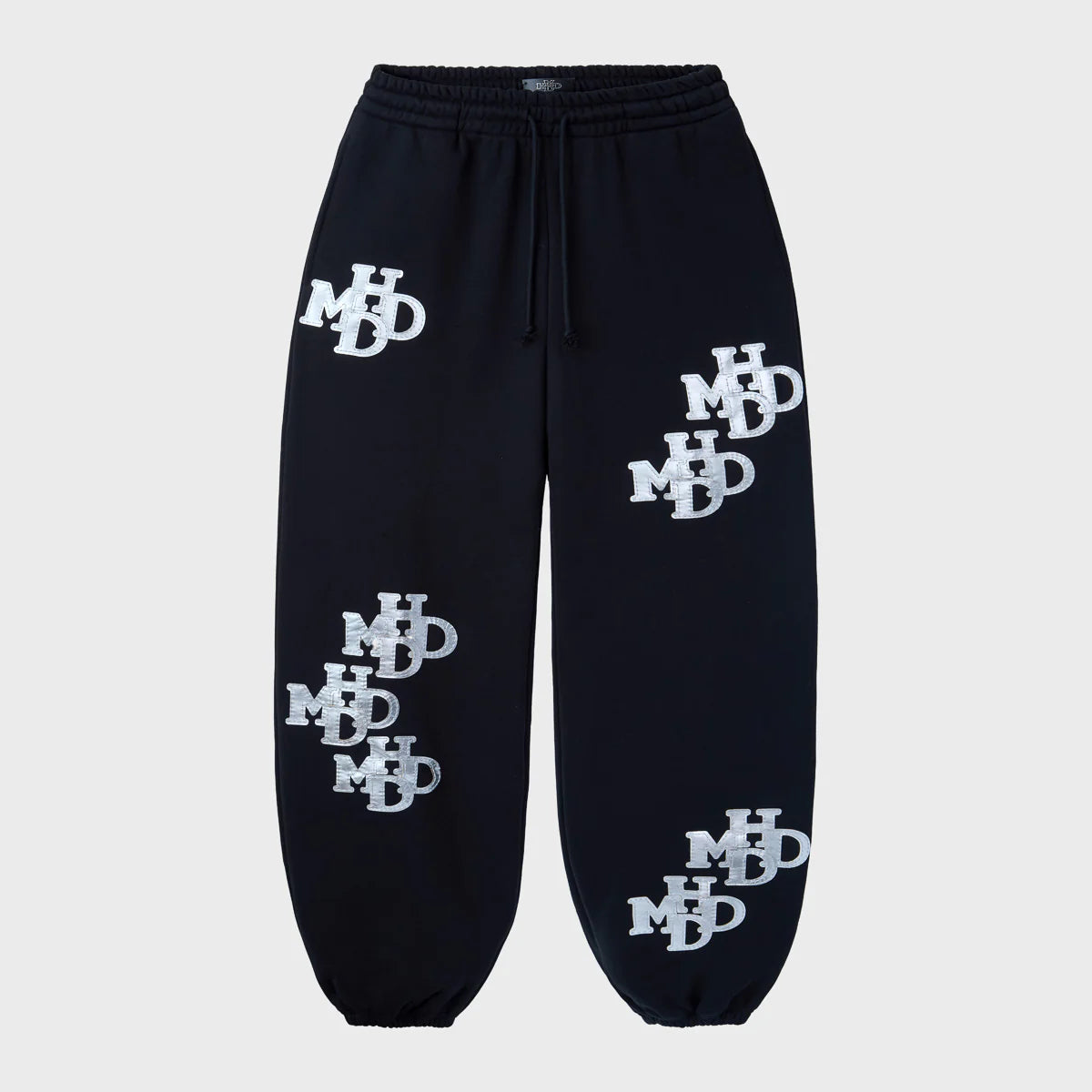
It also helps to read an actual hmdd review from a buyer who purchased the same piece new, when you can find one, since these reviews often mention certain manufacturing specifics — how the fabric handles, sizing oddities, stitching color — that you can then check alongside the resale listing you’re considering. Shoppers looking into the top hmdd items worth buying used often lean toward these direct testimonials more than the seller’s own claims, and for good reason: listings often overstate condition and authenticity because sellers benefit from it, while earlier buyers typically lack that incentive.
| Spot of Authentication | Marker showing a Legit HMDD Piece | Usual Warning Sign |
|---|---|---|
| Interior tag needlework | Stitching that’s snug and even, showing matching font | Threads that are frayed, with lettering that’s distorted or misaligned |
| Heft of the material on sweatpants/shorts | A dense, substantial cotton-blend feel that’s noticeably present | Skimpy, lightweight fabric that comes across as cheap |
| Stitch-line build | Twice-stitched inseam and waist trim | Single-stitch seams, puckering, uneven drawstring channel |
| Finishing of the hem on shorts | A clean turned hem with minimal breaks in the topstitching | Irregular hemline apparent in flat-lay images |
| Pricing vs. retail | For rare drops, cost stays firm or rises | A price that’s suspiciously low for « rare » or sold-out pieces |
Seller History and Photos serving as Supporting Documentation—Make Use of Them
A seller’s history on any resale marketplace merits review before you message about a given listing. Accounts with a pattern of selling multiple « rare » HMDD pieces in suspiciously perfect condition, especially at low prices, deserve extra scrutiny. Genuine collectors reselling one or two pieces from their own closet tend to have more believable photo backgrounds, wear patterns consistent with actual use, and are usually willing to answer detailed questions about fit and condition without getting defensive.
Instead of settling for polished studio images sourced from around the web, request raw photos shot in natural lighting. Sadly, it’s not unusual for disreputable sellers to appropriate genuine brand imagery and pair it with a actual piece that doesn’t match, hoping shoppers overlooking the discrepancy between marketing photos and what actually gets sent. A costly mistake can be sidestepped simply by running a reverse-image search on a suspicious photo, a task that takes only half a minute.
Confirm if the piece came from hmddla or another verified point of sale, while also asking for proof of purchase or confirmation screenshot of the purchase, provided the seller kept it. Not every legitimate reseller will have kept this, but those who do can settle authenticity questions nearly instantly. Regard evasiveness or annoyance on the seller’s part when these questions come up as useful information should it occur.
Sizing Consistency plus Sizing Accuracy
Within a given release, HMDD’s sizing usually stays consistent, meaning once you’re familiar with the fit of a piece you own, you get a helpful benchmark for resale shopping for a second piece. Joggers in particular should correspond closely to the size measurements provided—be sure to ask the seller for the waist and inseam dimensions in inches rather than trusting only the tag size, since the tag size may differ somewhat between different runs of production.
If a listing describes a size medium but the measurements given don’t align with what medium has run in prior releases you’ve verified, factor that into your decision. This mismatch doesn’t automatically mean the item is fake, but it does mean you should ask more questions before paying, particularly on high-value transactions.
Pictures of the garment worn on a body, instead of shown flat on a surface, also help confirm proportions seem accurate. A silhouette that appears oddly loose or snug measured against the listed size, especially throughout more than one photo, is worth mentioning directly with the seller before finalizing any purchase.
Concluding Run-Through Before You Buy
Before completing any resale purchase, run through a short mental list: verified tag details, flat-lay and natural-light images asked for, confirmed seam and stitch quality, pricing that lines up sensibly with retail, and a seller background that raises no red flags. Taking five extra minutes on these checks costs you absolutely nothing compared to the hassle of receiving a counterfeit.
As more collectors discover the brand, demand will likely keep expanding through 2026, and the resale market for Happy Memories Don’t Die pieces isn’t going away. Taking a cautious approach today means you put together a wardrobe of pieces you can trust, as opposed to one marked by guesswork and regret.
Laisser un commentaire